


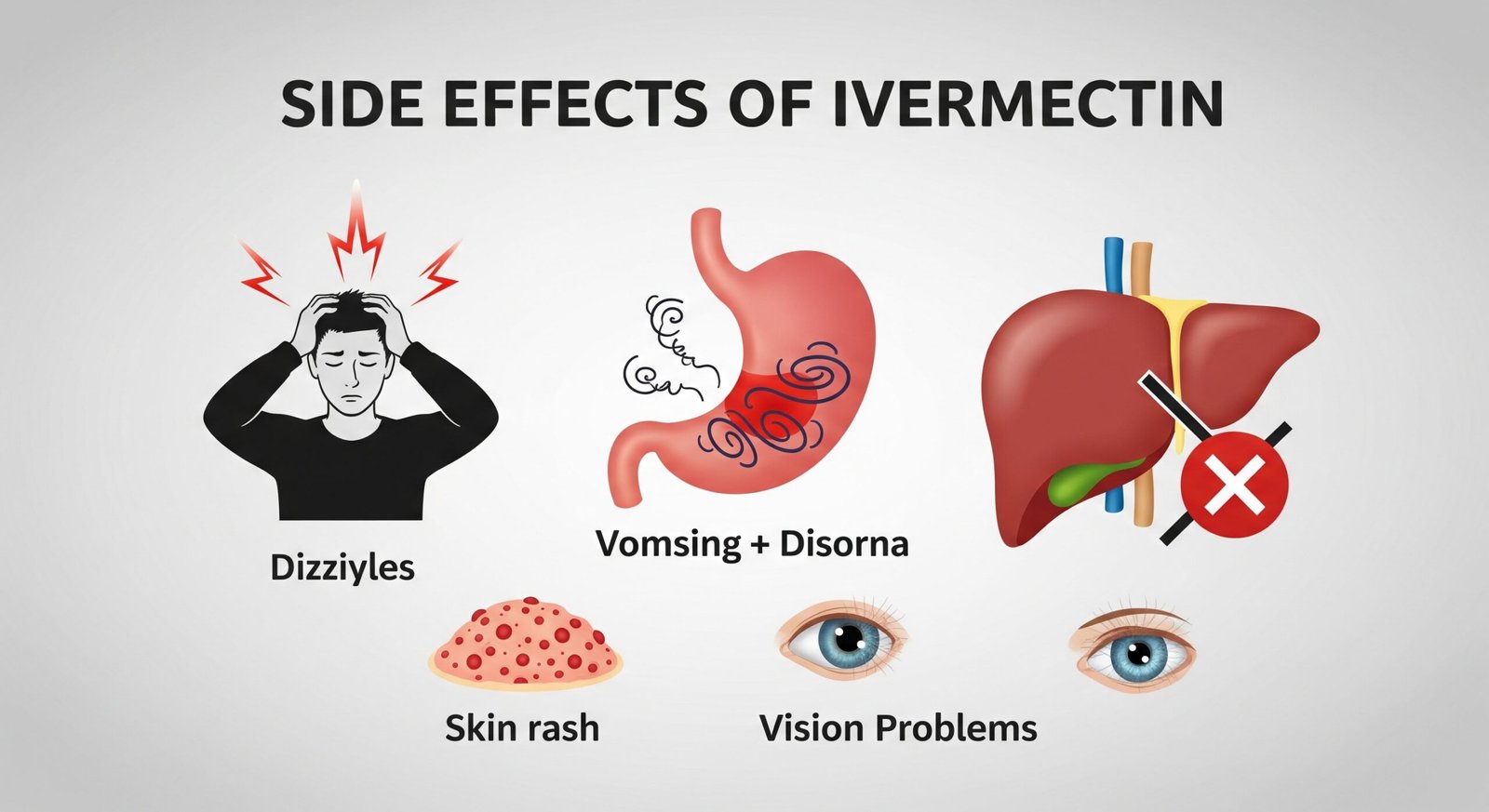
Side Effects of Ivermectin: A Complete 2025 Medical Guide for Safe Usage
Ivermectin has become one of the most widely discussed antiparasitic medications in the world. From treating parasitic infections like scabies, lice, and river blindness to its growing use in global health programs, this medication remains essential in modern medicine. But with its popularity has also come confusion, misinformation, and worry about safety. If you’re considering using Ivermectin—whether due to a doctor’s prescription or researching for general awareness—understanding the potential risks is just as important as knowing its benefits.
This detailed guide explains everything you need to know about the side effects of ivermectin including mild, moderate, and severe reactions, risk factors, drug interactions, overdose dangers, safety tips, and when to seek medical attention. Written with clarity and medical accuracy, this blog aims to give readers trustworthy information that supports safe, informed decisions.
What Is Ivermectin and How Does It Work?
Ivermectin is an FDA-approved antiparasitic medication used for decades to treat several human parasitic infections. It works by paralyzing and killing parasites through interference with their nervous system. Unlike many medications, Ivermectin remains highly effective with a strong safety profile when taken under proper medical supervision.
Doctors commonly prescribe Ivermectin for:
-
Scabies
-
Head lice
-
River blindness (onchocerciasis)
-
Strongyloidiasis
-
Roundworm infections
-
Certain mite and parasitic worm infestations
In some regions, medical professionals may use it off-label for other conditions where antiparasitic action is beneficial. In every case, correct dosage, usage, and safety monitoring are essential.
Why Understanding Ivermectin Side Effects Matters
Even though Ivermectin is widely considered safe, it is still a powerful medication. Like any drug, it may cause unwanted reactions in some individuals. Knowing the side effects of ivermectin helps you:
-
Recognize early symptoms of adverse reactions
-
Avoid self-medication risks
-
Understand when you need emergency care
-
Make informed choices and avoid incorrect dosages
-
Stay safe if you have medical conditions or take other medications
Safety is always the priority with any medication—especially those that affect the nervous system and parasite response.
Types of Ivermectin Side Effects
1. Common and Mild Side Effects
These are the most frequently reported effects and usually go away without medical treatment. They occur due to the body clearing parasites or reacting to the medication.
A. Dizziness or Lightheadedness
A temporary drop in blood pressure or general fatigue can cause dizziness. Staying hydrated and resting usually helps.
B. Nausea or Abdominal Discomfort
Stomach upset is typically mild. Taking Ivermectin with a small meal may reduce discomfort.
C. Diarrhea
Digestive changes are common, especially with high parasite load.
D. Fatigue or Weakness
Your body works hard to process the effects of parasitic die-off, which can make you feel tired for a day or two.
E. Mild Skin Rash
This may occur as the immune system reacts to killed parasites.
These mild reactions normally disappear within 24–72 hours.
2. Moderate Side Effects
These effects require caution and may need a doctor’s advice.
A. Swelling or Itching (Mazzotti Reaction)
This occurs mainly during treatment of certain parasitic infections like river blindness. Symptoms include:
-
Fever
-
Swollen lymph nodes
-
Itching
-
Rash
It is not a medication allergy—it is caused by the immune system reacting to rapidly dying parasites.
B. Low Blood Pressure (Hypotension)
This can lead to fainting, especially in individuals already prone to low blood pressure.
C. Rapid Heartbeat or Irregular Pulse
This can happen when the body reacts strongly to parasite die-off or to the medicine.
D. Visual Disturbances
Some users report blurry vision, eye redness, or sensitivity to light. These should always be evaluated by a professional.
3. Serious and Rare Side Effects
These reactions are uncommon but must be taken seriously. Seek medical attention immediately if you notice:
A. Severe Allergic Reaction (Anaphylaxis)
Symptoms may include:
-
Severe rash
-
Wheezing
-
Swelling of lips or tongue
-
Difficulty breathing
This requires urgent emergency care.
B. Neurological Effects
Very rare but serious reactions may include:
-
Confusion
-
Seizures
-
Loss of coordination
-
Tremors
-
Coma (extremely rare)
These effects are most likely when someone takes extremely high doses or uses non-approved veterinary products.
C. Liver Injury
Though extremely rare, liver inflammation can cause:
-
Yellowing of the eyes
-
Dark urine
-
Severe abdominal pain
Monitoring liver health is recommended for those on long-term or repeated use.
Who Is More Likely to Experience Side Effects?
Several factors may increase the likelihood of experiencing the side effects of ivermectin :
1. People With High Parasite Burdens
When parasites die quickly, the immune response is stronger.
2. Older Adults
Their metabolism may be slower, leading to stronger drug effects.
3. Patients With Liver Disease
Ivermectin is processed by the liver, so impaired liver function increases risk.
4. People Taking Certain Medications
Some drugs can intensify Ivermectin’s effects or interfere with how the body processes it.
5. Individuals Using Veterinary Ivermectin
Animal Ivermectin products are NOT safe for human consumption—they contain incorrect doses and additives that can cause poisoning.
Drug Interactions: What Not to Mix With Ivermectin
Ivermectin may interact with various medications and substances. Always inform your doctor if you use:
1. Blood Thinners (Warfarin)
May increase bleeding risk.
2. Anti-Seizure Medications
Certain drugs may reduce Ivermectin’s effectiveness.
3. HIV Medications
Some antiretrovirals may interfere with how the body metabolizes Ivermectin.
4. Alcohol
Alcohol intensifies dizziness and may stress the liver.
5. Sedatives or Sleeping Pills
Together, they may excessively depress the nervous system.
Ivermectin Overdose: Symptoms and Emergency Response
Overdoses most commonly occur when people self-medicate or use animal formulations. A severe overdose can lead to:
-
Vomiting
-
Severe confusion
-
Loss of coordination
-
Low blood pressure
-
Seizures
-
Respiratory distress
-
Coma
Emergency medical attention is necessary in all overdose cases.
How to Reduce Your Risk of Side Effects
The best way to avoid negative reactions is to follow proper medical guidance. Here’s how to stay safe:
Take Only Human-Grade, Doctor-Prescribed Ivermectin
Never use veterinary pastes, injectables, or tablets.
Follow Exact Dosage Instructions
Dosage is based on weight, infection type, and medical history.
Avoid Alcohol During Treatment
This reduces dizziness and liver stress.
Eat Light Food Before Taking It
This helps control nausea and absorption.
Stay Hydrated
Helps minimize headaches and fatigue.
Report Any Unusual Symptoms Immediately
Especially vision changes, neurological symptoms, or severe allergic reactions.
Can Children Take Ivermectin?
Children over 15 kg (33 lbs) can use Ivermectin safely under medical supervision. Dosage must be carefully calculated according to body weight. Infants, however, should not be given Ivermectin unless a specialist approves.
Is Ivermectin Safe for Pregnant or Breastfeeding Women?
Pregnant women should use Ivermectin only if a doctor determines the benefits outweigh the risks. Very small amounts pass into breast milk, but studies show minimal risk. Still, medical guidance is essential.
How Long Do Side Effects Last?
Most mild side effects last:
-
24–48 hours for dizziness or nausea
-
2–4 days for itching or swelling
-
1–2 weeks for Mazzotti reactions in severe parasitic infections
Severe side effects are rare and require medical management.
Myths About Ivermectin Side Effects
❌ Myth 1: Ivermectin is unsafe for humans
Truth: Human-grade Ivermectin is FDA-approved and widely used globally.
❌ Myth 2: Side effects always mean an allergic reaction
Truth: Many reactions come from parasites dying, not the drug itself.
❌ Myth 3: More dosage means faster recovery
Truth: Overdosing is extremely dangerous and never improves outcomes.
When Should You See a Doctor Immediately?
Seek medical help if you experience:
-
Trouble breathing
-
Severe dizziness or fainting
-
Swelling around eyes/lips
-
Confusion or difficulty speaking
-
Chest pain or rapid heart rate
-
Loss of consciousness
-
Convulsions
These symptoms are rare but require urgent care.
Final Thoughts: Is Ivermectin Safe When Used Properly?
Ivermectin is considered one of the safest antiparasitic drugs worldwide, with millions of successful treatments every year. Most people who use it experience minimal or no issues. Serious reactions are rare and usually linked to improper dosage, existing medical conditions, or unsafe non-human versions of the drug.
Understanding the Side Effects of Ivermectin is important because being aware of potential reactions helps ensure safe and effective results. Always use Ivermectin under proper medical guidance, monitor your symptoms, and prioritize approved, human-grade formulations.
If you’re researching Ivermectin for personal health, treatment questions, or educational knowledge, staying informed remains your best protection.


