
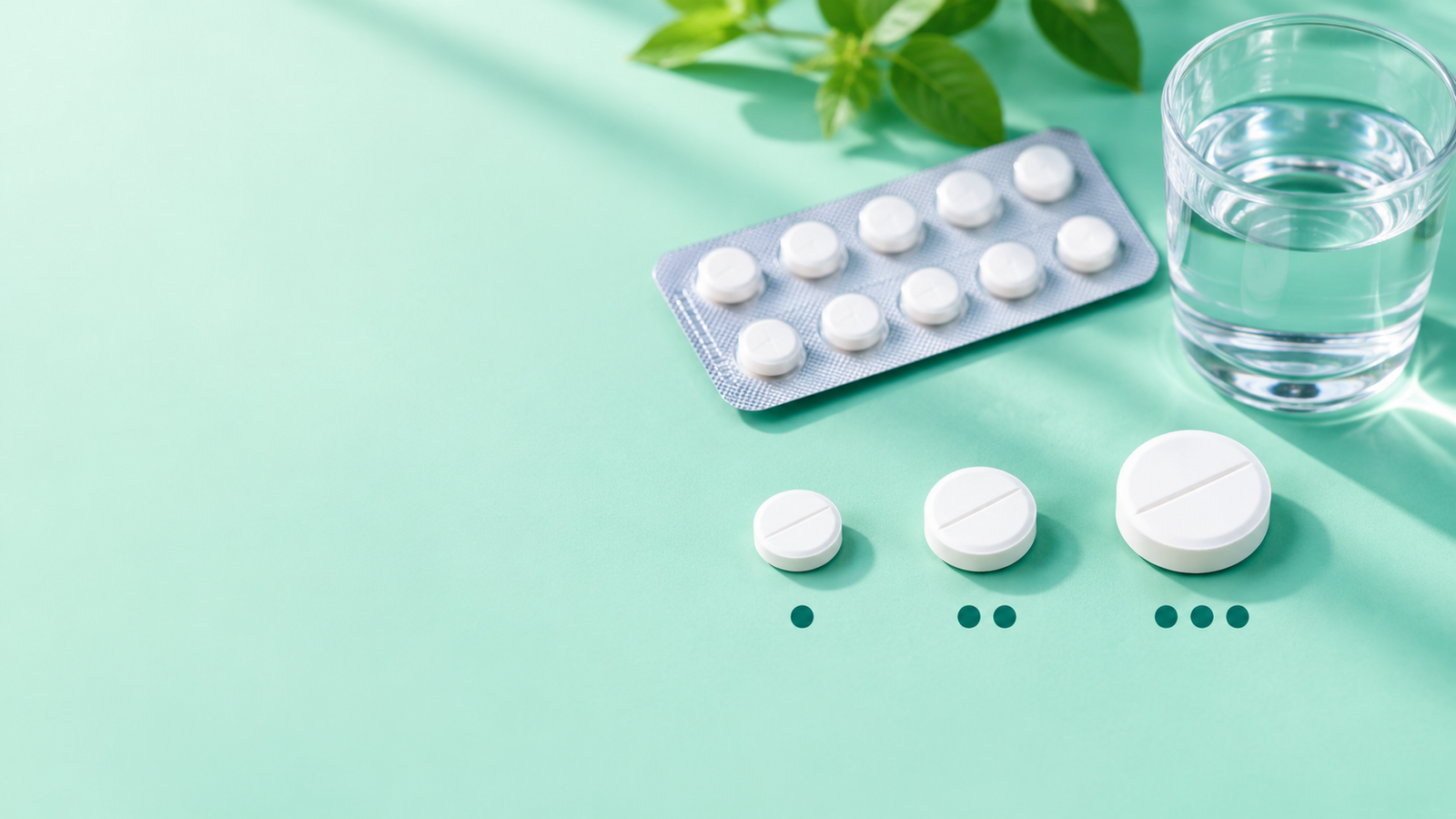
How to Understand Ivermectin Tablet Strengths: 3 mg, 6 mg and 12 mg
Understanding ivermectin tablet strengths is an important part of learning about this prescription medication. Ivermectin tablets may be discussed in different strengths, including 3 mg, 6 mg, and 12 mg, depending on the product, manufacturer, and country. However, the number printed on a tablet package does not automatically indicate how much a person should take.
For anyone researching ivermectin, it is essential to understand the difference between tablet strength, prescribed dosage, and treatment instructions. These factors can vary according to the medical condition being treated, body weight, patient characteristics, and healthcare professional recommendations.
In this guide, we explain what ivermectin tablet strengths mean, how 3 mg, 6 mg, and 12 mg compare, what to look for on medication packaging, and which safety considerations patients should understand before using this medication.
What Is Ivermectin?
Ivermectin is an antiparasitic medication used to treat certain parasitic infections in humans. It belongs to a group of medicines that work by affecting the nervous system of susceptible parasites, helping eliminate them from the body.
In the United States, oral ivermectin has approved uses for certain conditions, including strongyloidiasis and onchocerciasis. Other uses may depend on local regulatory approvals and clinical guidelines.
Ivermectin is a prescription medication in the United States. It should only be used when prescribed by an appropriately qualified healthcare professional.
People researching this medicine should understand that different tablet strengths do not represent different levels of effectiveness for every condition. The appropriate treatment depends on the diagnosis and prescribed regimen.
What Do Ivermectin Tablet Strengths Mean?
A tablet’s strength describes the quantity of its active ingredient contained in one tablet.
For example:
- 3 mg: One tablet contains 3 milligrams of ivermectin.
- 6 mg: One tablet contains 6 milligrams of ivermectin.
- 12 mg: One tablet contains 12 milligrams of ivermectin.
These numbers describe the amount of active ingredient per tablet, not the recommended amount for an individual patient.
The distinction is important because a healthcare professional determines the appropriate dose based on the specific infection, patient factors, and applicable treatment guidance.
Not every strength is marketed or approved in every country. Always check the actual product label and applicable regulatory information rather than assuming that products with different strengths are interchangeable.
Understanding Ivermectin 3 mg Tablets
Ivermectin 3 mg tablets contain three milligrams of the active ingredient per tablet.
This strength appears in established human prescription product labeling. For example, the U.S. DailyMed prescribing information describes 3 mg tablets and provides condition-specific prescribing instructions.
The tablet strength is only one part of the medication information. Patients should also review:
- Active ingredient and stated strength
- Manufacturer and product identification
- Expiration date
- Storage instructions
- Prescription directions
- Warnings and precautions
A 3 mg tablet is not automatically suitable for every patient or condition. Treatment decisions should be based on a medical evaluation and the prescription provided.
For additional information, visit our IVERVid 3 mg product information page.
Understanding Ivermectin 6 mg Tablets
Ivermectin 6 mg tablets contain six milligrams of ivermectin per tablet.
Compared with a 3 mg tablet, a 6 mg tablet contains twice the amount of active ingredient. However, this does not mean that it is twice as effective or appropriate for twice as many conditions.
The prescribed regimen remains dependent on the patient’s diagnosis and individual medical circumstances.
When researching a 6 mg product, check the following details:
- Whether the product is intended for human use
- Whether it is authorized for sale in the relevant country
- Whether the manufacturer and packaging can be verified
- Whether the product has clear prescription and usage information
- Whether the prescribed instructions match the product strength
Never switch between tablet strengths without consulting your prescribing healthcare professional.
Understanding Ivermectin 12 mg Tablets
Ivermectin 12 mg tablets contain twelve milligrams of the active ingredient in each tablet.
This is a higher amount per tablet than the 3 mg and 6 mg strengths discussed above. However, a higher tablet strength does not necessarily mean better treatment outcomes.
The correct medication strength and prescribed regimen depend on several factors, including:
- The condition being treated
- The patient’s body weight
- Relevant medical history
- Other medications being taken
- The prescribing healthcare professional’s instructions
Patients should never assume that a 12 mg tablet is more appropriate simply because it contains more ivermectin.
If a prescription specifies a particular strength, confirm any proposed substitution with the pharmacist or prescribing professional.
You can also explore our Ivermectin medication and dosage information guide for further educational information.
Ivermectin 3 mg vs. 6 mg vs. 12 mg: Key Differences
The main difference between these tablet strengths is the quantity of active ingredient contained in each tablet.
| Tablet strength | Active ingredient per tablet | General comparison |
|---|---|---|
| Ivermectin 3 mg | 3 mg | Lower amount per tablet |
| Ivermectin 6 mg | 6 mg | Twice the amount in a 3 mg tablet |
| Ivermectin 12 mg | 12 mg | Four times the amount in a 3 mg tablet |
These comparisons explain the amount of medication in each tablet. They are not treatment recommendations or instructions for combining tablets.
The number of tablets prescribed must come from an individualized medical assessment.
Does a Higher Ivermectin Tablet Strength Mean Better Results?
No. A higher tablet strength does not automatically produce better results.
Medication effectiveness depends on whether the medicine is appropriate for the diagnosed condition and whether it is used according to evidence-based treatment guidance.
Taking more medication than prescribed can increase the risk of adverse effects and potentially serious toxicity.
For this reason, patients should avoid:
- Choosing a tablet strength based on online recommendations.
- Increasing the prescribed amount without medical advice.
- Combining different strengths to create a different dose.
- Repeating treatment without professional guidance.
- Using veterinary ivermectin products intended for animals.
Always follow the prescription label and contact a healthcare professional if the instructions are unclear.
How Is Ivermectin Dosage Determined?
Ivermectin dosing is not determined by tablet strength alone.
For certain approved indications, prescribing information uses body weight to calculate the recommended amount. However, dosing recommendations can differ between medical conditions.
A healthcare professional considers:
1. Medical condition: Different parasitic infections may require different treatment approaches.
2. Body weight: Weight can be an important factor in determining the prescribed amount for certain indications.
3. Medical history: Existing health conditions may influence medication decisions.
4. Other medications: Drug interactions can affect safety and treatment planning.
5. Age and patient characteristics: Individual circumstances must be considered before treatment.
For these reasons, there is no universal ivermectin dosage that is appropriate for everyone.
Read our Ivermectin Drug Interactions Guide to learn more about medication precautions.
What Should You Check Before Using Ivermectin Tablets?
Before using any prescription medication, carefully review its packaging and accompanying information.
Here are some important details to check.
1. Active Ingredient
Confirm that the package identifies ivermectin as the active ingredient. Do not rely only on a product name or tablet appearance.
2. Tablet Strength
Check whether the package states 3 mg, 6 mg, 12 mg, or another strength. Make sure the strength matches your prescription.
3. Manufacturer Information
Look for the manufacturer’s name and relevant product identification details. Verify the product through the appropriate regulatory or pharmacy channels.
4. Expiration Date
Do not use medication beyond its expiration date. Ask a pharmacist how to handle expired or damaged products.
5. Storage Instructions
Follow the storage conditions printed on the product label. Different manufacturers may have different packaging and storage requirements.
6. Prescription Instructions
Read the prescription label carefully. If you are uncertain about the amount, timing, or duration, contact your pharmacist or prescriber before taking the medication.
Important Ivermectin Safety Considerations
Although ivermectin is used in human medicine, it is not appropriate for everyone.
Possible adverse effects include:
- Dizziness
- Nausea
- Diarrhea
- Abdominal discomfort
- Itching or skin reactions
- Weakness
More serious reactions can occur, particularly with inappropriate use or excessive exposure.
Seek medical attention for severe allergic reactions, breathing difficulties, confusion, seizures, loss of coordination, or other serious symptoms.
Patients should inform their healthcare professional about existing medical conditions, pregnancy or breastfeeding, allergies, and all prescription and nonprescription medications they use.
Never use ivermectin products formulated for animals. Veterinary formulations may have different concentrations, ingredients, and administration instructions and can be dangerous for humans.
Frequently Asked Questions About Ivermectin Tablet Strengths
1. What is the difference between ivermectin 3 mg and 6 mg?
A 3 mg tablet contains 3 milligrams of ivermectin, while a 6 mg tablet contains 6 milligrams. The 6 mg tablet contains twice the active ingredient per tablet, but the appropriate strength depends on the prescription.
2. Is ivermectin 12 mg stronger than ivermectin 3 mg?
Yes. A 12 mg tablet contains four times as much ivermectin as a 3 mg tablet. However, a higher strength does not automatically mean better results or greater suitability.
3. Can I switch from ivermectin 3 mg to 12 mg?
Do not switch strengths independently. Contact your healthcare professional or pharmacist to confirm whether a different product strength is appropriate for your prescription.
4. Does ivermectin dosage depend on body weight?
For certain approved indications, ivermectin dosing is calculated using body weight. The appropriate regimen also depends on the diagnosed condition and other patient-specific factors.
5. Can I take ivermectin without a prescription?
In the United States, oral ivermectin tablets are prescription medication. Consult an appropriately qualified healthcare professional before using them.
6. Are ivermectin tablets used for every parasitic infection?
No. Ivermectin is used for certain parasitic infections, but it is not effective or approved for every parasite or medical condition. Diagnosis and appropriate treatment selection are essential.
7. Where can I find reliable information about ivermectin?
Consult your healthcare professional, pharmacist, official prescribing information, and reputable medical resources such as the FDA, CDC, and DailyMed.
Learn More About Ivermectin Medication Information
Understanding medication strength is an important step in making informed healthcare decisions.
Whether you are researching ivermectin 3 mg, 6 mg, or 12 mg tablets, remember that the amount of active ingredient per tablet is different from the dosage prescribed for an individual patient.
At Ivermectin Pills, our goal is to provide accessible educational information about medication, product labeling, and prescription safety.
Explore our Shop and Product Information to review the information available on our website. Always confirm product authorization, prescription requirements, and suitability with a qualified healthcare professional before making a medication decision.
Stay Informed: Sign Up for Health and Medication Updates
Want to learn more about prescription medication safety, product information, and healthcare education?
Subscribe to our newsletter to receive:
- New educational articles and medication guides
- Prescription medication safety information
- Updates about product labeling and responsible medication use
- Practical tips for discussing medication questions with your healthcare professional
Final Thoughts
Understanding ivermectin tablet strengths helps patients interpret medication packaging and prescription information more confidently. While 3 mg, 6 mg, and 12 mg tablets contain different quantities of active ingredient, the correct treatment depends on the medical condition and individual prescription.
Never choose a higher strength, change a prescribed amount, or combine tablets without professional advice. When in doubt, speak with your doctor or pharmacist.


Leave a comment