No products in the cart.
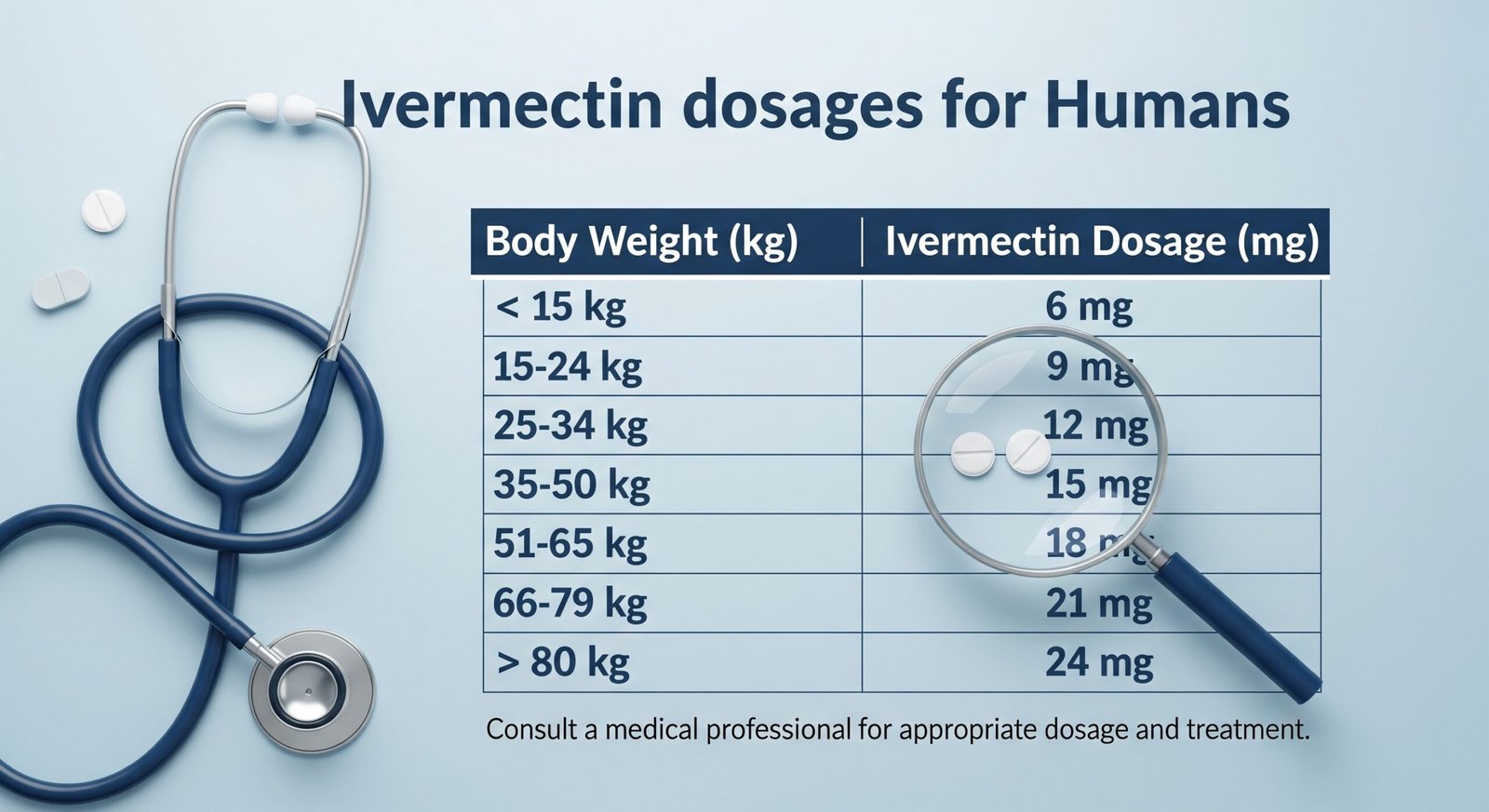


Ivermectin Dosage for Humans by Weight is a critical factor in ensuring this widely used antiparasitic medication is both safe and effective. Prescribed for decades to treat various parasitic infections, ivermectin requires precise dosing based on body weight to maximize benefits while minimizing the risk of unwanted side effects.
This detailed guide explains how healthcare professionals calculate ivermectin doses for adults and children, why body weight plays such a critical role, and what safety precautions should always be followed. The information is written for educational purposes and is intended to help readers better understand medical guidance—not to replace professional advice.
Ivermectin is an antiparasitic drug that works by disrupting the nervous system of parasites, causing paralysis and death of the organisms. When used correctly in humans, it has a strong safety record and is listed by the World Health Organization as an essential medicine for treating specific parasitic diseases.
Doctors commonly prescribe ivermectin for conditions such as intestinal worm infections, scabies, head lice, and certain tropical parasitic diseases. Because these parasites live inside or on the human body, accurate dosing is essential for complete eradication.
Medications affect people differently based on body size, metabolism, and overall health. For ivermectin, body weight is the primary factor used to determine the correct dose because it influences how the drug is absorbed, distributed, and processed by the body.
For these reasons, doctors calculate ivermectin doses using a standardized microgram-per-kilogram method rather than a one-size-fits-all approach.
For most approved human uses, ivermectin is prescribed as a single oral dose calculated according to body weight. The commonly recommended range is:
150 to 200 micrograms per kilogram (mcg/kg)
The exact dose within this range depends on the condition being treated, the severity of the infection, and the patient’s overall health. Some conditions may require repeat dosing after a specific interval.
This calculation method is the foundation of ivermectin dosage for humans by weight in clinical practice.
Healthcare professionals follow a simple mathematical formula to determine the correct amount of ivermectin:
Body weight (kg) × prescribed dose (mcg/kg) = total dose (mcg)
That number is then converted into milligrams to match available tablet strengths.
If a patient weighs 70 kg and the doctor prescribes 200 mcg/kg:
The physician may prescribe a 12 mg or 15 mg dose depending on available tablet strengths and clinical judgment.
This table is for educational purposes only and should not be used for self-medication.
| Body Weight | Typical Single Dose |
|---|---|
| 40–50 kg | 6–9 mg |
| 51–65 kg | 9–12 mg |
| 66–79 kg | 12–15 mg |
| 80–94 kg | 15–18 mg |
| 95 kg and above | Determined by physician |
Doctors may adjust doses based on infection type, treatment response, and patient history.
Single-dose treatment is often effective, though follow-up testing may be recommended to ensure the parasites are fully eliminated.
Treatment may involve one dose followed by a second dose after 7 to 14 days, depending on severity and reinfestation risk.
Weight-based dosing helps ensure complete parasite removal while reducing unnecessary drug exposure.
In all cases, the physician’s assessment determines the final treatment plan.
Ivermectin tablets are typically taken by mouth with water. Many doctors recommend taking it on an empty stomach unless otherwise instructed.
Taking the medication exactly as directed improves effectiveness and reduces side effects.
When taken at prescribed doses, ivermectin is generally well tolerated. Most side effects are mild and temporary.
Rare but more serious reactions can occur, particularly in individuals with heavy parasite loads, due to the body’s inflammatory response as parasites die.
Proper ivermectin dosage for humans by weight significantly lowers the risk of adverse effects.
Certain individuals should consult their doctor carefully before taking ivermectin:
Medical supervision is essential in these cases.
Ivermectin may interact with some medications, including:
Always provide your doctor with a complete list of medications and supplements before starting treatment.
Avoiding these mistakes helps ensure safe and effective treatment.
Yes, when prescribed by a healthcare professional and taken at the correct dose, ivermectin is considered safe for most adults.
Yes, but dosing for children is strictly weight-based and must be determined by a doctor.
Not always. Some infections require repeat dosing to fully eliminate parasites.
Contact your healthcare provider for guidance rather than doubling the next dose.
Correct dosing is the key to using ivermectin safely and effectively, and understanding Ivermectin Dosage for Humans by Weight plays a crucial role in successful treatment outcomes. By calculating the dose based on accurate body weight, healthcare professionals can tailor therapy to each individual, ensuring the medication reaches therapeutic levels while minimizing the risk of side effects or treatment failure.
Always rely on qualified medical advice, precise weight measurements, and proper follow-up care when using this medication. Responsible, weight-based dosing not only improves effectiveness against parasitic infections but also supports long-term safety and overall patient well-being.

Always available!

With 100 letters custom note

9:00 - 20:00, 7 days/week


Leave a comment