No products in the cart.
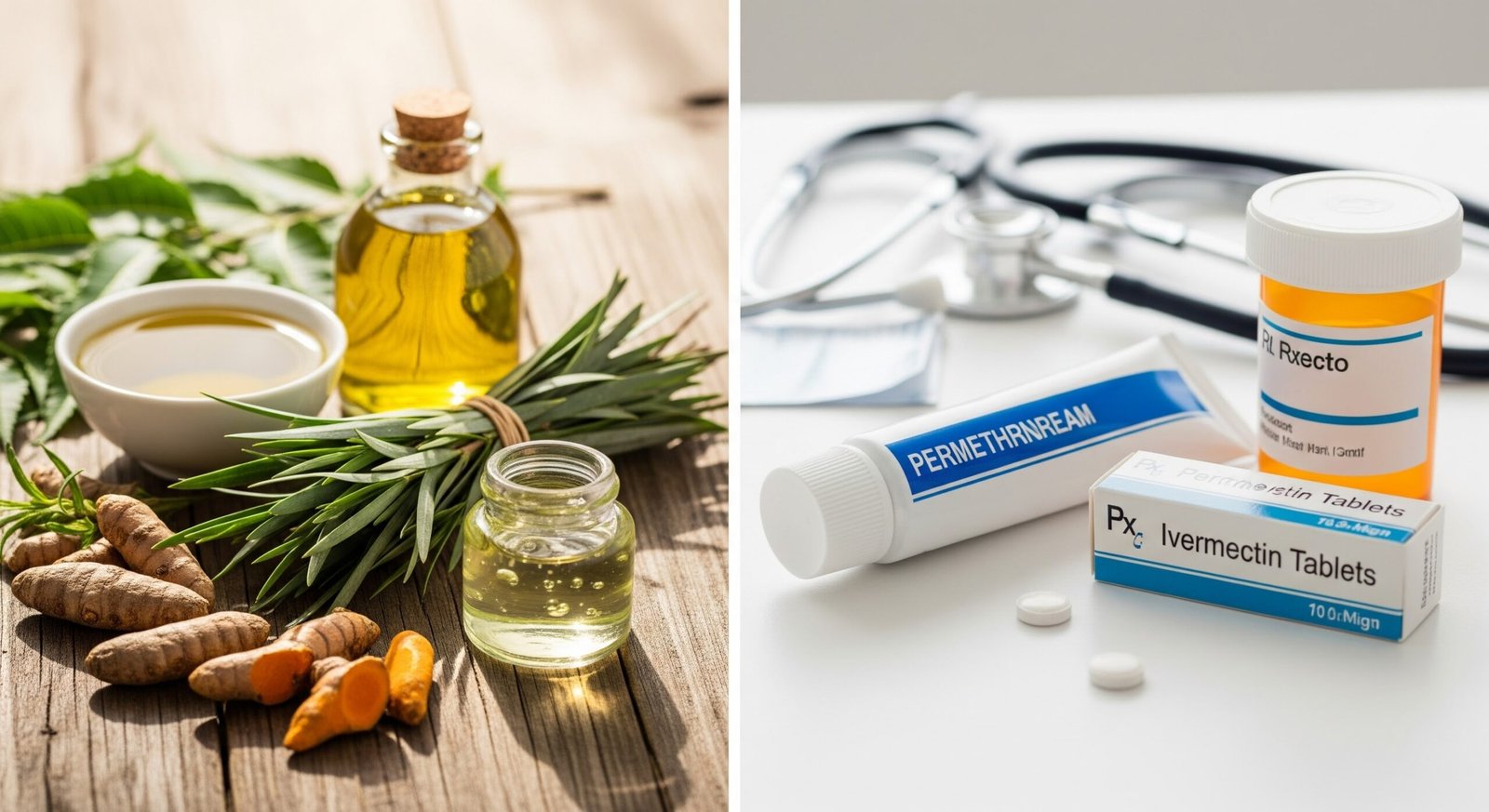


Dealing with an infestation of microscopic mites is enough to make anyone’s skin crawl—literally. Scabies is a highly contagious skin condition caused by the Sarcoptes scabiei mite, which burrows under the skin to lay eggs, leading to intense itching and pimple-like rashes. While doctors typically prescribe permethrin cream or oral ivermectin, many people seek a scabies treatment alternative due to concerns about chemical sensitivity, drug resistance, or simply a preference for holistic healing.
In this deep dive, we will explore the most effective natural remedies, lifestyle changes, and over-the-counter options available for those looking to manage this condition outside of traditional prescription protocols.
Before jumping into alternatives, it is crucial to understand why someone might seek them. Traditional treatments like Permethrin are neurotoxins designed to paralyze and kill mites. However, we are seeing an increase in “resistant scabies,” where the mites have adapted to these chemicals. Furthermore, these prescriptions can be harsh on sensitive skin, causing redness, stinging, and dryness.
Tea tree oil is perhaps the most researched natural remedy for scabies. It contains a compound called terpinen-4-ol, which has been shown in laboratory studies to kill scabies mites.
How it works: It acts as an acaricide (mite-killer) and also possesses anti-inflammatory and antibacterial properties to help heal the skin.
How to use: Mix a few drops of pure tea tree oil with a carrier oil (like coconut or olive oil) and apply it to the affected areas twice daily.
Note: While it kills the mites and eggs on the surface, it may struggle to reach mites buried deep in the skin, so it is best used as a supportive treatment.
Neem has been used in Ayurvedic medicine for centuries to treat skin parasites.
The Science: Neem contains azadirachtin, which interferes with the reproductive cycle of the mites, preventing them from breeding and laying more eggs.
Application: You can find neem-based soaps, creams, or pure neem oil. Applying a neem paste (made from crushed leaves and turmeric) is a traditional method that helps soothe the “itch” while attacking the infestation.
If you are looking for a heavy hitter, clove oil is a potent scabies treatment alternative. Research suggests it is highly toxic to scabies mites, often killing them within an hour of contact in lab settings.
Warning: Clove oil is extremely “hot” and can burn the skin if not diluted properly. Always use a ratio of 1 part clove oil to 4 parts carrier oil.
While aloe vera may not be the primary “killer” of the mites, it is unsurpassed in treating the symptoms. Scabies causes “post-scabietic itch,” which can last for weeks even after the mites are dead.
Benefit: Pure aloe vera gel (ideally straight from the leaf) reduces inflammation and provides a cooling sensation that provides immediate relief from the relentless nocturnal itching.
| Essential Oil | Primary Benefit | Best For |
| Tea Tree | Mite Eradication | General Treatment |
| Clove | Rapid Kill Rate | Resistant Cases (Diluted!) |
| Lavender | Soothing/Healing | Reducing Stress & Skin Redness |
| Lemongrass | Anti-parasitic | Skin Disinfection |
Treating scabies is not just about what you put on your body, but how you treat your environment. Because scabies mites can live off a human host for 48 to 72 hours, reinfection is the biggest hurdle to recovery.
To ensure your alternative treatment works, you must follow a strict cleaning regimen:
High-Heat Laundry: Wash all clothes, bedding, and towels used in the last three days in water at least 60°C (140°F).
Dryer Heat: Dry everything on the highest heat setting for at least 30 minutes.
Starve the Mites: Items that cannot be washed (like coats or stuffed animals) should be sealed in a plastic bag for 7 to 10 days.
Vacuuming: Vacuum carpets and upholstered furniture thoroughly and discard the vacuum bag immediately.
A robust immune system can help your body fight off the skin inflammation associated with the infestation. Focus on:
Zinc-rich foods: Spinach, beans, and seeds.
Anti-inflammatory herbs: Turmeric and ginger.
Hydration: Water helps flush out the toxins released by dying mites.
Some individuals turn to homeopathy for a non-toxic scabies treatment alternative. While scientific evidence is limited, practitioners often recommend:
Psorinum: Often used for conditions involving intense itching that worsens with heat.
Sulfur: Frequently suggested for skin that is red, itchy, and irritated by washing.
Sulphur Baths: Soaking in warm water with Epsom salts or sulfur-based soaps can help dry out the burrows.
Natural does not always mean “safe” for everyone.
Patch Testing: Always perform a patch test on a small area of skin before applying essential oils to your whole body.
Pregnancy and Children: Many essential oils and high-dose neem treatments are not recommended for pregnant women or infants. Always consult a holistic practitioner or doctor first.
Secondary Infections: Scabies causes intense scratching, which can lead to broken skin. If you notice yellow crusting, pus, or extreme swelling, you may have a bacterial infection (like Impetigo) that requires medical attention.
Scabies is often accompanied by a sense of “dirtyness” or social anxiety. It is important to remember that scabies has nothing to do with personal hygiene; it is spread through skin-to-skin contact and can happen to anyone. Using calming alternatives like chamomile baths or meditation can help manage the stress of the “itch-scratch cycle.”
Choosing a scabies treatment alternative requires patience, diligence, and a multi-pronged approach. Whether you choose the potent mite-killing power of clove and tea tree oil or the skin-soothing properties of neem and aloe, consistency is your best friend. Remember to treat your environment as aggressively as you treat your skin to prevent the cycle from starting over.
By combining these natural remedies with a strict cleaning protocol, you can find relief from the discomfort and reclaim your skin health without relying solely on harsh chemicals. If your symptoms persist or worsen after two weeks of home treatment, it is always wise to consult a healthcare professional to ensure the infestation has been fully eradicated. Finding the right scabies treatment alternative is a journey, but with the right tools, you can achieve a mite-free life naturally.

Always available!

With 100 letters custom note

9:00 - 20:00, 7 days/week


Leave a comment