


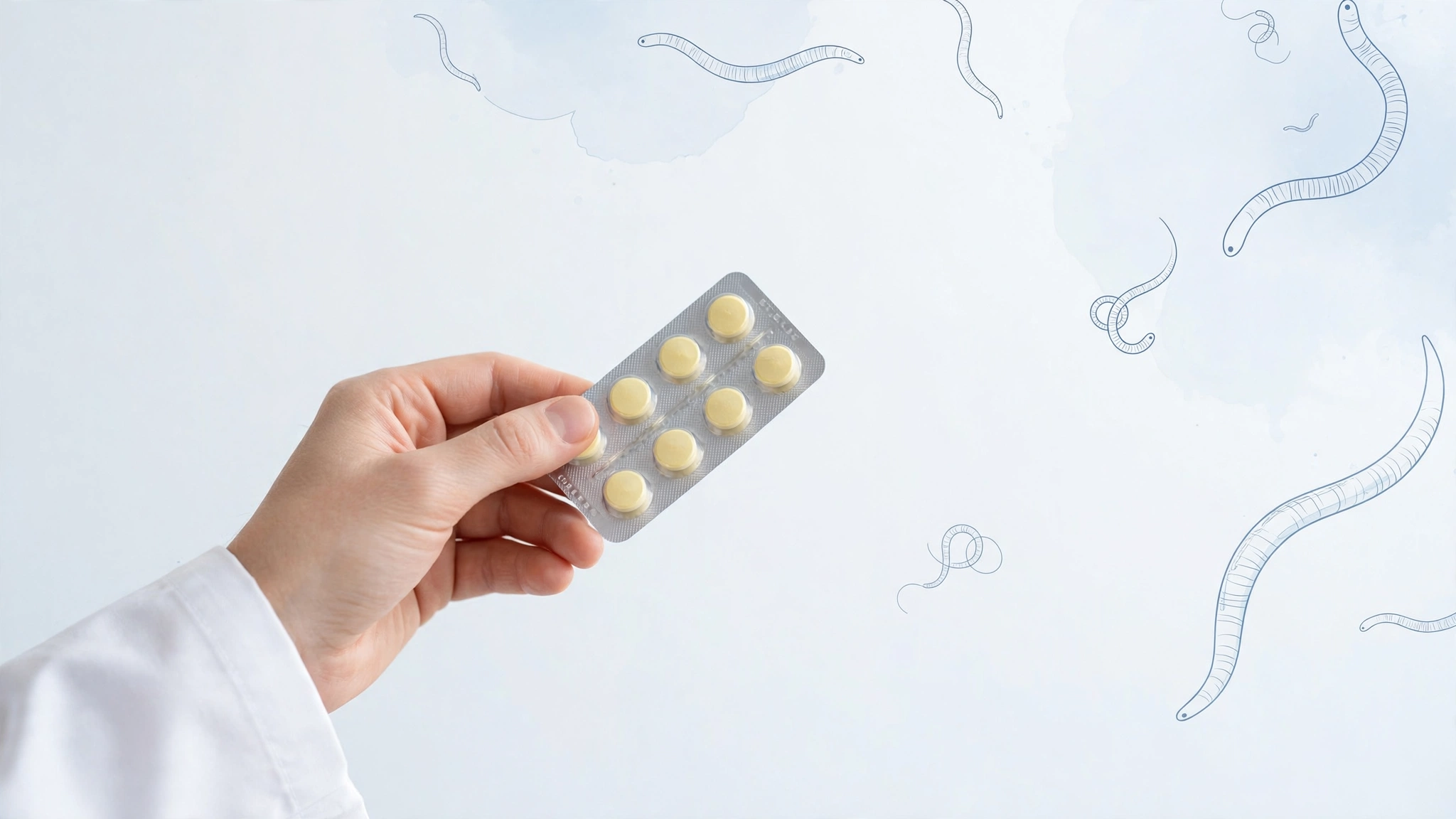
Ivermectin for Parasitic Worm Infections: Uses, Dosage, and What to Expect
Ivermectin for parasitic worms is one of the most widely used and effective antiparasitic treatments available today, helping hundreds of millions of people worldwide manage infections safely. If you or a family member has been prescribed ivermectin for a parasitic infection, understanding how it works, how it’s dosed, and what to expect can help you use it safely and effectively.
This article is for educational purposes only and is not a substitute for professional medical advice. Always follow your prescribing doctor’s instructions and read the medication guide provided with your prescription.
What Is Ivermectin Approved to Treat?
Ivermectin is an antiparasitic medication approved by the U.S. Food and Drug Administration (FDA) for specific human parasitic infections, including:
- Strongyloidiasis — an infection caused by the intestinal roundworm Strongyloides stercoralis
- Onchocerciasis (river blindness) — an infection caused by the parasitic worm Onchocerca volvulus, transmitted through the bite of infected blackflies
Ivermectin belongs to a class of drugs called anthelmintics, which work by paralyzing and killing parasites, allowing the body to clear the infection.
Outside its FDA-approved uses, ivermectin (in topical form) is also approved for treating head lice and rosacea. It is not FDA-approved for treating or preventing viral infections, and using it for unapproved purposes should only be considered with direct guidance from a licensed healthcare provider.
How Ivermectin Works
Ivermectin binds to specific channels in the nerve and muscle cells of parasites, causing paralysis and death of the organism. Because these channels are structurally different in humans, the medication is generally well tolerated at approved doses when taken as directed.
Dosage and Administration
Dosing for ivermectin varies significantly depending on the condition being treated, the patient’s body weight, and other individual health factors. Because of this variability, dosage should always be determined by a licensed healthcare provider — never adjusted or self-prescribed.
General principles healthcare providers consider:
- Body weight-based dosing. Ivermectin tablets are typically dosed according to the patient’s weight in kilograms.
- Administration on an empty stomach. Ivermectin is usually taken with a full glass of water, on an empty stomach, at least one hour before a meal, as food can affect how the drug is absorbed.
- Single vs. repeated doses. Strongyloidiasis often requires a single dose or a short course, while onchocerciasis may require repeat dosing every 6–12 months in endemic areas, based on a provider’s assessment.
- Follow-up testing. For strongyloidiasis in particular, follow-up stool exams may be recommended to confirm the infection has cleared, since the parasite can persist and cause serious illness if untreated, especially in immunocompromised individuals.
Never take more than the prescribed dose or use veterinary formulations of ivermectin intended for animals — these are manufactured at different concentrations and are not safe for human consumption.
What to Expect During Treatment
Most people tolerate ivermectin well when it’s taken exactly as prescribed. Mild, temporary side effects are the most commonly reported and may include:
- Dizziness
- Nausea or diarrhea
- Mild skin rash or itching
- Fatigue
In onchocerciasis treatment specifically, some patients experience a temporary immune reaction (sometimes called a Mazzotti reaction) as the body responds to dying parasites. This can cause itching, swelling, joint pain, or fever, and typically resolves within a few days. Your healthcare provider can advise on managing these symptoms.
Seek medical attention promptly if you experience severe symptoms such as difficulty breathing, severe rash, swelling of the face or throat, sudden vision changes, or signs of a severe allergic reaction.
Who Should Use Caution
Certain groups should talk with their doctor before starting ivermectin, including:
- Pregnant or breastfeeding individuals
- People with liver disease
- Individuals taking other medications, due to potential drug interactions
- People with a history of central nervous system disorders
Your provider will weigh the risks and benefits based on your specific health history.
Frequently Asked Questions
How quickly does ivermectin start working against parasitic worms? Ivermectin begins acting on parasites within hours of a dose, but it can take several days to weeks for symptoms to fully resolve and for follow-up testing to confirm the infection has cleared, depending on the parasite and severity of infection.
Can I take ivermectin on an empty stomach or with food? Ivermectin is generally recommended to be taken on an empty stomach with water, as food — especially high-fat meals — can increase drug absorption and alter its effects. Always follow your provider’s specific instructions.
Is one dose of ivermectin enough to cure a parasitic infection? It depends on the infection. Strongyloidiasis often responds to a single dose or short course, while onchocerciasis typically requires repeat dosing over months or years in endemic regions. Your provider will determine the right course for you.
What’s the difference between human and veterinary ivermectin? Veterinary ivermectin products are formulated and concentrated for animals, not humans, and are not safe for human use. Always use only the human formulation prescribed and dispensed by a licensed pharmacy.
Can ivermectin interact with other medications? Yes. Ivermectin can interact with certain other drugs, including some used to manage seizures or blood thinners. Always share a full list of your current medications with your prescriber before starting treatment.
Do I need a follow-up test after taking ivermectin? For strongyloidiasis in particular, providers often recommend follow-up stool testing to confirm the parasite has been fully cleared, since it can persist silently and cause serious complications if untreated.
Key Takeaways
- Ivermectin is FDA-approved for treating specific parasitic worm infections, including strongyloidiasis and onchocerciasis.
- Dosage is individualized based on body weight and the condition being treated — always follow your provider’s prescription exactly.
- Mild side effects are common and usually temporary, but severe reactions require prompt medical attention.
- Never use animal formulations of ivermectin or adjust your dose without medical guidance.
If you suspect you have a parasitic infection or have questions about a current prescription, speak with a licensed healthcare provider or pharmacist for guidance tailored to your situation.
Have Questions About Your Ivermectin Prescription?
Our team of licensed pharmacists is here to help you understand your treatment, dosage, and what to expect. Contact us today to speak with a specialist, or browse our resources for more guides on parasitic infections and treatment options.
Sources: U.S. Food and Drug Administration (FDA) prescribing information; Centers for Disease Control and Prevention (CDC) Parasites resources; World Health Organization (WHO) guidelines on onchocerciasis and strongyloidiasis.
Disclaimer: The content on this page is provided for informational purposes only and reflects general medical knowledge available at the time of writing. It is not medical advice and should not be relied upon as such. Product availability, dosing guidelines, and safety information are subject to change; always refer to the current FDA-approved prescribing information and consult a licensed healthcare provider before using this or any medication. This website and its authors assume no liability for actions taken based on the information provided here.


Leave a comment