


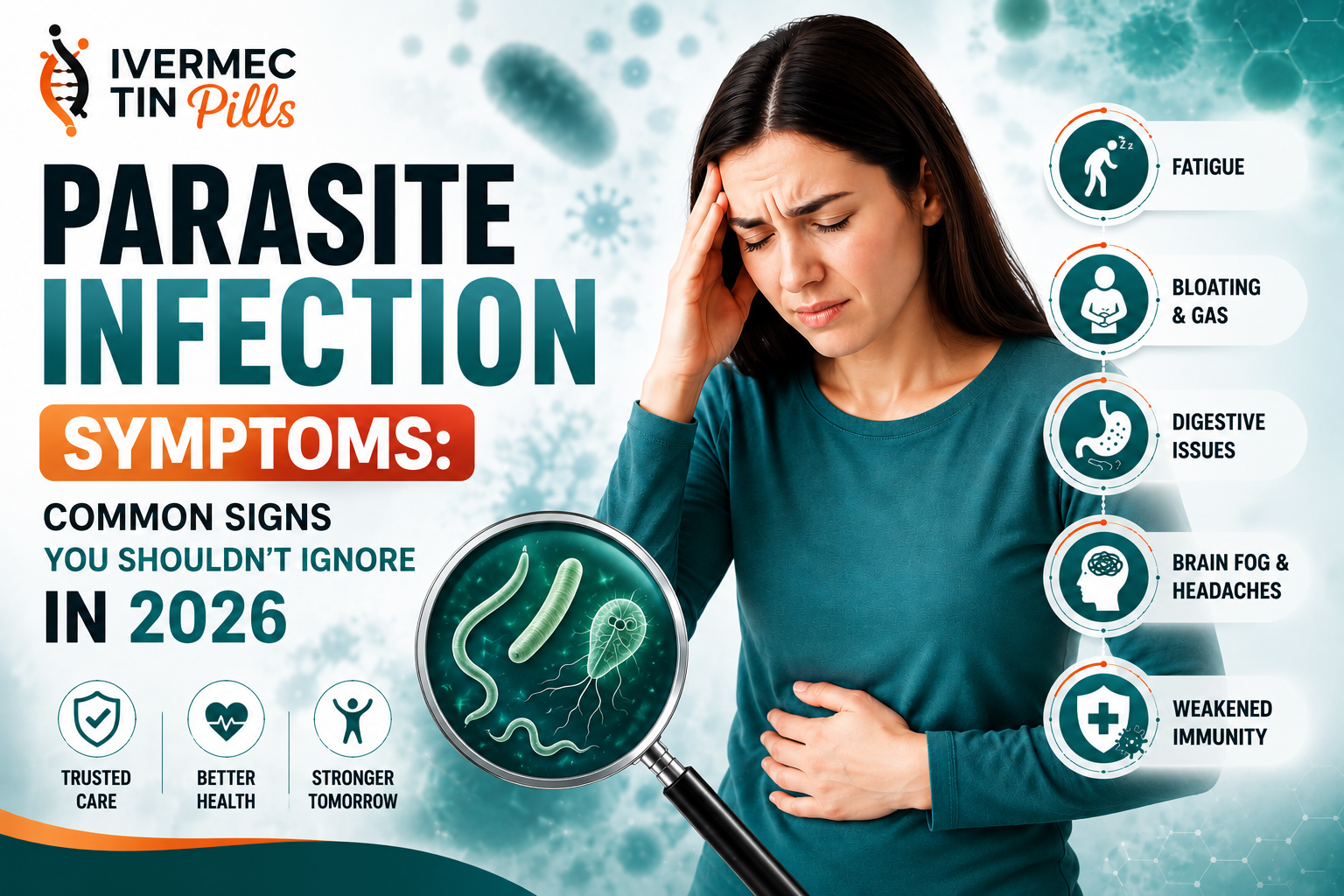
Parasite Infection Symptoms: Common Signs You Shouldn’t Ignore in 2026
Parasites are organisms that live on or inside another living host and depend on it for survival. Although many people associate parasites with tropical regions or poor sanitation, parasite-related infections can occur almost anywhere in the world. Increased travel, changing environmental conditions, and greater public health awareness have contributed to growing discussions about these infections.
Understanding parasite infection symptoms is important because early recognition can help individuals seek timely medical advice and avoid potential complications. While symptoms vary depending on the type of parasite involved, there are several common warning signs that should never be ignored.
What Are Parasites?
Parasites are living organisms that survive by obtaining nutrients from another organism. Human parasites can affect the digestive system, skin, blood, and other parts of the body.
Common examples include:
- Intestinal worms
- Roundworms
- Tapeworms
- Pinworms
- Protozoa
- Skin parasites such as scabies mites
These organisms may enter the body through contaminated food, water, soil, insect bites, or close contact with infected individuals.
Why Are Parasite Infections Receiving More Attention?
Public awareness about parasitic infections has increased in recent years for several reasons.
Increased Global Travel
Traveling internationally can expose individuals to unfamiliar environments, food sources, and water supplies that may increase the risk of infection.
Environmental Changes
Changes in climate and ecosystems can influence the spread of insects and organisms that carry parasitic diseases.
Better Health Awareness
Many people are becoming more proactive about understanding unexplained symptoms and seeking reliable health information online.
Improved Diagnostic Methods
Modern healthcare technologies allow medical professionals to identify certain infections more accurately than in the past.
Common Parasite Infection Symptoms to Watch For
The signs of a parasitic infection can vary widely. Some people experience mild symptoms, while others may develop more noticeable health concerns.
Digestive Discomfort
Many parasites affect the digestive tract and may cause ongoing gastrointestinal issues.
Possible symptoms include:
- Abdominal pain
- Bloating
- Diarrhea
- Constipation
- Nausea
- Excessive gas
Persistent digestive problems should always be discussed with a healthcare professional.
Unexplained Fatigue
Parasites may interfere with nutrient absorption, potentially leading to low energy levels and feelings of exhaustion.
Symptoms may include:
- Constant tiredness
- Weakness
- Lack of energy
- Difficulty concentrating
If fatigue continues despite adequate rest, medical evaluation may be beneficial.
Changes in Appetite and Weight
Unexpected changes in eating habits can sometimes occur during certain infections.
Individuals may experience:
- Increased hunger
- Reduced appetite
- Unexplained weight loss
- Difficulty maintaining a healthy weight
Skin Irritation and Itching
Some parasites affect the skin directly, causing discomfort and irritation.
Common signs include:
- Persistent itching
- Redness
- Rashes
- Small bumps
- Irritated skin
Nighttime itching can be particularly common with some skin-related parasitic conditions.
Sleep Disturbances
Physical discomfort associated with infection may affect sleep quality.
Warning signs may include:
- Difficulty falling asleep
- Frequent waking during the night
- Restless sleep
- Ongoing discomfort after bedtime
Nutritional Deficiencies
Certain parasites may consume nutrients that would otherwise be absorbed by the body.
Potential indicators include:
- Pale skin
- Brittle nails
- Hair thinning
- Reduced energy levels
- General weakness
How Parasites Spread
Understanding how parasites spread can help reduce the risk of exposure.
Contaminated Food and Water
Improperly prepared food and unsafe drinking water remain common sources of infection in many parts of the world.
Poor Hand Hygiene
Failing to wash hands thoroughly after using the restroom or before meals may increase transmission risks.
Direct Contact
Some parasites spread through close personal contact with infected individuals.
Contaminated Surfaces
Shared bedding, towels, clothing, and frequently touched objects may contribute to the spread of certain infections.
Soil Exposure
Walking barefoot in contaminated areas or handling infected soil can increase exposure to some parasites.
Who Is Most at Risk?
While anyone can develop a parasitic infection, certain groups may face higher risks.
These include:
- Frequent travelers
- Young children
- Individuals in crowded environments
- People with weakened immune systems
- Workers exposed to soil or animals
- Communities with limited sanitation access
Prevention Tips for Better Health
Preventive measures can help lower the risk of many common infections.
Practice Good Handwashing
Wash hands regularly with soap and water:
- Before eating
- After using the restroom
- After handling animals
- Following outdoor activities
Follow Safe Food Practices
- Cook food thoroughly
- Wash fruits and vegetables
- Drink clean water
- Store food properly
Maintain Personal Hygiene
Regular bathing and clean clothing can help reduce the risk of certain skin-related infections.
Take Precautions While Traveling
Travelers should remain cautious about food, water, and local health recommendations.
Keep Living Spaces Clean
Regular cleaning of bedding, towels, and household surfaces can support infection prevention efforts.
When Should You Seek Medical Advice?
It is important to consult a healthcare professional if you experience:
- Persistent digestive symptoms
- Ongoing fatigue
- Severe itching
- Unexplained weight loss
- Recurring skin irritation
- Symptoms that interfere with daily life
Only qualified healthcare providers can accurately diagnose the cause of symptoms and recommend appropriate treatment options.
The Importance of Early Detection
Many symptoms associated with parasitic infections can resemble those of other health conditions. As a result, individuals may overlook warning signs or delay seeking medical evaluation.
Early awareness and prompt medical attention can play an important role in identifying potential causes and supporting better health outcomes. Paying attention to unusual symptoms and maintaining healthy hygiene habits are valuable steps toward protecting overall well-being.
Conclusion
Recognizing parasite infection symptoms early can help individuals make informed decisions about their health and seek appropriate medical evaluation when necessary. Symptoms such as digestive discomfort, fatigue, itching, sleep disturbances, and unexplained weight changes should not be ignored, especially when they persist over time.
Although not every symptom indicates a parasitic infection, staying informed, practicing good hygiene, and seeking professional advice when needed can contribute to better long-term health. Awareness remains one of the most effective tools for reducing risks and promoting overall wellness.
Frequently Asked Questions
What are the most common parasite infection symptoms?
Common parasite infection symptoms may include stomach pain, diarrhea, fatigue, itching, skin rashes, sleep disturbances, and unexplained weight loss.
Can healthy individuals get parasite infections?
Yes. Parasite infections can affect people of all ages and health backgrounds depending on environmental exposure and personal risk factors.
How do parasites typically spread?
Parasites may spread through contaminated food, water, soil, insect bites, or direct contact with infected individuals.
Can parasite infections cause fatigue?
Yes. Some infections may interfere with nutrient absorption, which can contribute to tiredness and reduced energy levels.
How can I reduce my risk of parasite infections?
Good hygiene practices, safe food preparation, clean drinking water, and proper sanitation can help lower the risk of exposure.


